



Signature and Communication Security
In military and security-critical applications, the performance of individual systems is not the only decisive factor. Protection against detection, interference and unwanted emissions is equally important. Shieldex develops metallized technical textiles for shielding concepts used wherever electromagnetic compatibility, protected communication and multispectral signature reduction are required.
Whether for EMC/EMI shielding, textile solutions for shielded communication and working environments, or materials designed to reduce infrared signatures, Shieldex combines many years of metallization expertise with application-specific development, technical consulting and material customization.
Red Communication
In security-critical communication environments, protecting data cryptographically is only one part of the challenge. Electromagnetic emissions, radio-frequency coupling and uncontrolled interfaces can also play a role. In the context of Red/Black separation, the “red” side refers to the trusted area in which sensitive or classified information is processed, while the “black” side represents the unsecured or external communication environment.
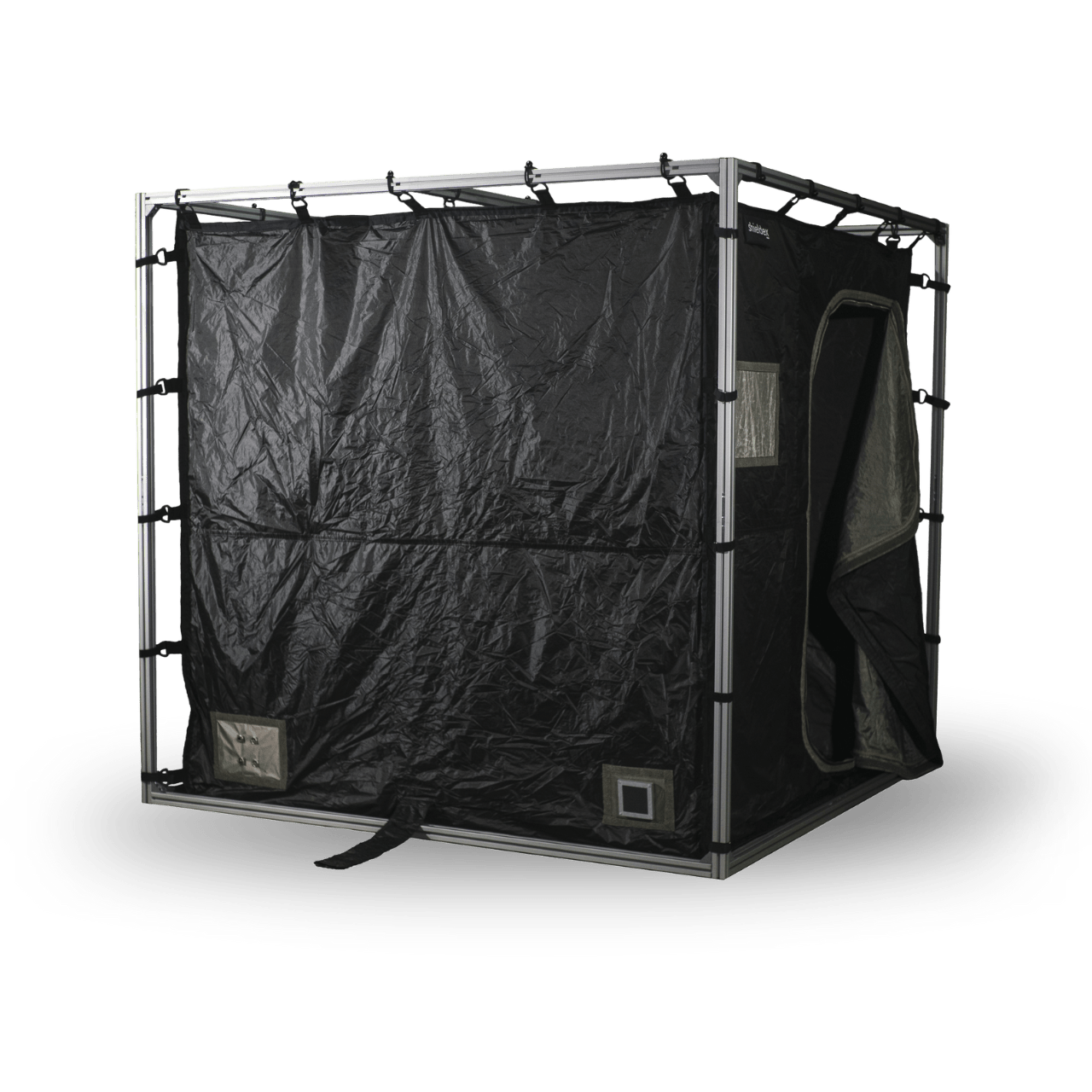
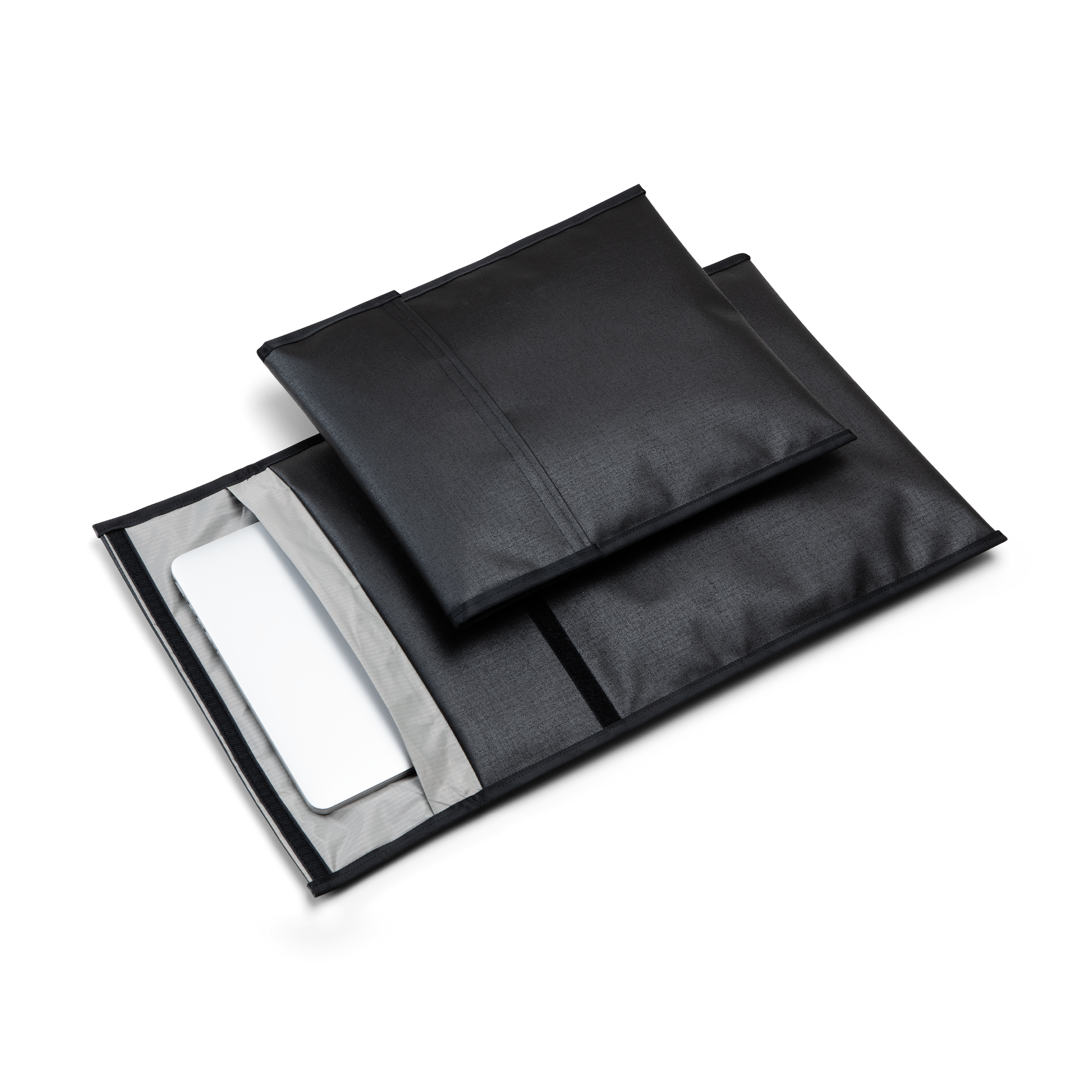
For such scenarios, shielded rooms, textile barriers and shielded bags can help reduce unwanted electromagnetic coupling. Shieldex provides textile shielding materials and custom-made shielding solutions that can be integrated into both mobile and stationary protection concepts.
Relevant Application Scenarios
- shielded working areas for sensitive electronics
- mobile shielding environments for temporary deployments
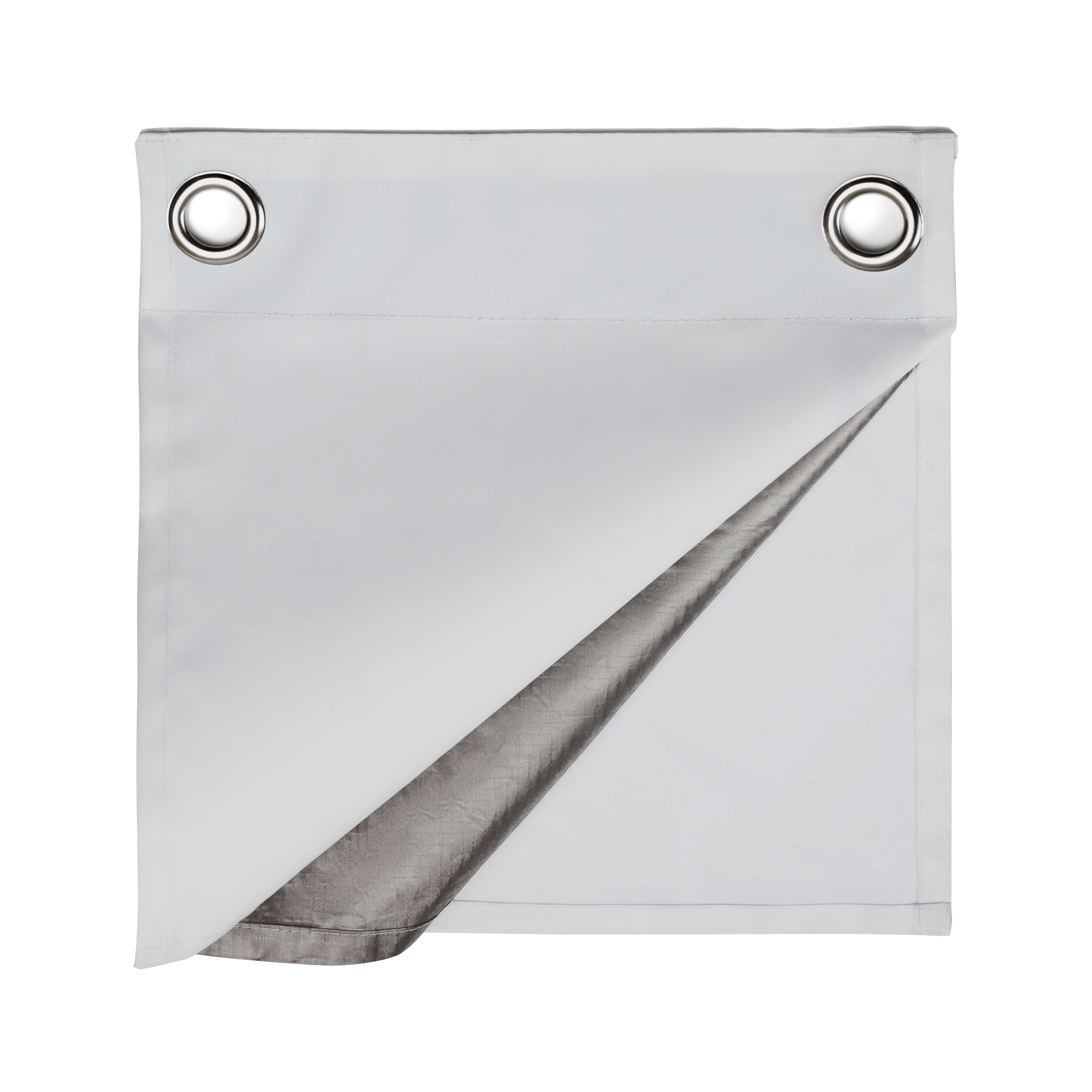
- textile room shielding and shielding curtains
- shielding bags for mobile devices
- isolated environments for analysis, forensics and testing
Textile shielding concepts can therefore be used wherever flexibility, mobility and rapid integration are essential, for example in temporary deployment structures, mobile command environments or protected analysis areas.
Infrared & Thermal Shielding
Modern infrared sensors and thermal imaging cameras are increasing the requirements for camouflage and signature management in military operations. Depending on the environment, troop movements, equipment, vehicles and temporary protective structures can be detected not only visually, but also through their infrared and thermal signatures.
Shieldex offers metallized technical textiles that, due to their high reflectivity in the wavelength range from 780 nm to 20,000 nm, can contribute to infrared and thermal shielding. This makes the materials suitable for applications in which visibility to IR-based sensors and thermal imaging systems needs to be reduced.
Depending on the requirements, these textile shielding materials can be integrated into various military systems, from personal equipment to passive camouflage devices. Possible areas of application include uniforms, ghillie suits, sleeping bags, tents, ponchos and vehicle covers.
The decisive factor is not a single material promise, but the interaction between the metallized surface, textile construction, spectral target range and specific operational environment. Shieldex therefore supports customers in selecting and developing suitable textile materials for IR signature reduction and multispectral shielding concepts.
Possible Areas of Application
- uniforms and personal equipment
- ghillie suits and camouflage systems
- sleeping bags and textile protection systems
- tents, ponchos and mobile covers
- vehicle covers and passive camouflage devices
Technical Focus
- reflectivity in the range from 780 nm to 20,000 nm
- support for infrared and thermal shielding
- textile integration into flexible and mobile systems
- contribution to reducing visibility to IR and thermal imaging sensors
- use as part of multispectral signature management concepts
EMI/RFI Shielding
Electronic systems in military applications are increasingly networked, mobile and sensitive to electromagnetic influences. At the same time, electrical and electronic components can generate unwanted emissions themselves. EMC and EMI shielding are used to reduce electromagnetic coupling, limit interference and create defined working or testing environments.
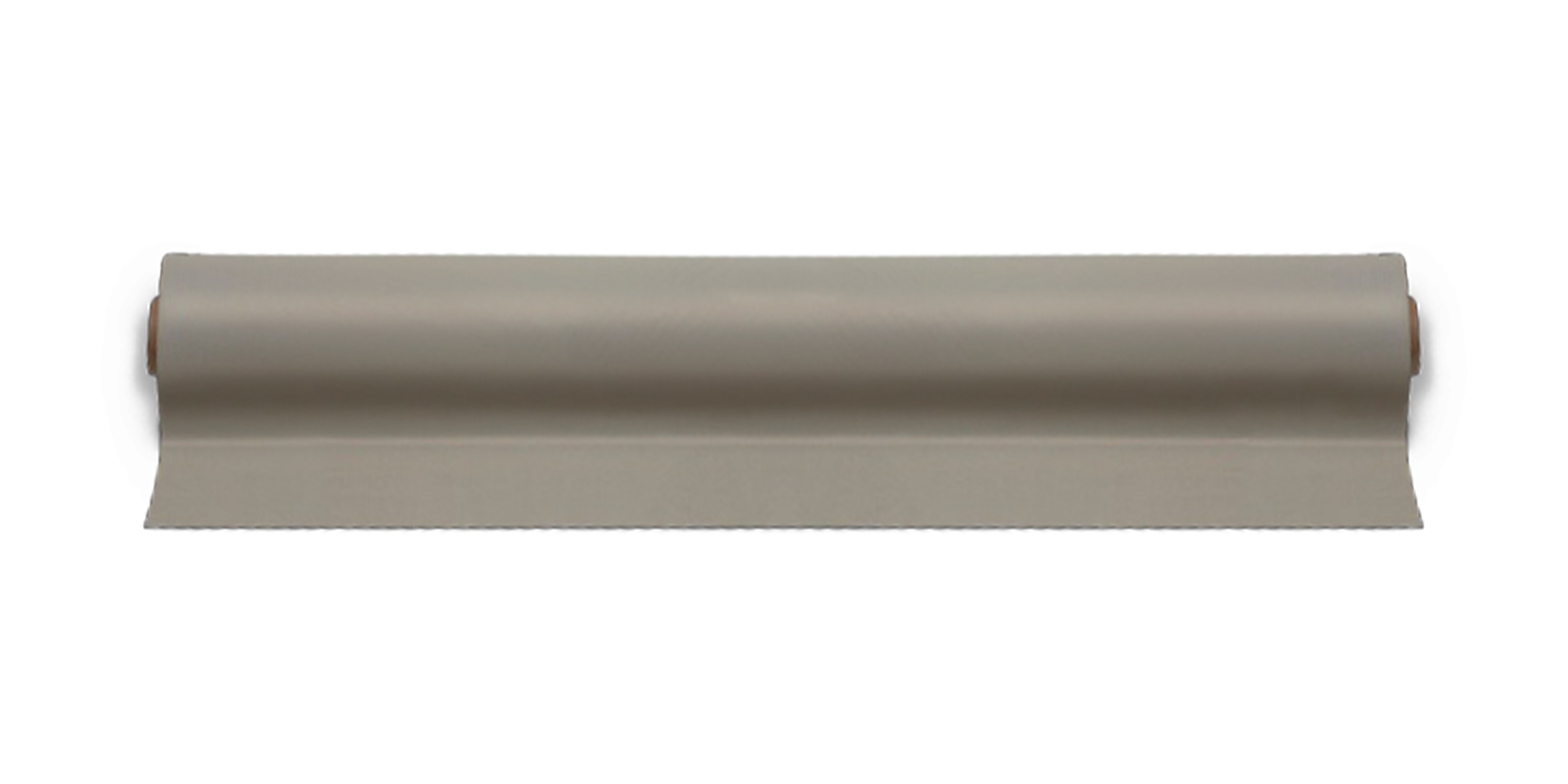
Shieldex develops conductive textile materials that can be used for a wide range of shielding tasks, for example as roll goods, shielding bags and boxes, curtains or textile barriers, cable shielding, or as part of mobile shielding environments. The advantage of textile solutions lies in their flexibility: they can be used where conventional metallic shielding is too rigid, too heavy or impractical from a design perspective.
Typical Areas of Application
- textile shielding of electronic components and assemblies
- mobile or temporary shielding environments
- EMC-critical working and testing areas
- shielding of cables, interfaces and transitions
- flexible solutions for retrofitting, prototyping and system integration
Shieldex products and materials can help reduce electromagnetic interference and support the creation of protected technical environments. The most suitable solution depends on the frequency range, target values, construction, grounding concept, mechanical load and integration environment.


Development, Testing and Integration
Military shielding tasks vary significantly depending on the system, operational environment and desired protection objective. A textile shielding solution must therefore always be matched to the specific application. Frequency range, attenuation requirements, mechanical load, weight, flexibility, fabrication, connection technology and processing all influence the final result.
Shieldex supports customers from the initial technical assessment through to material implementation. The focus is not on a single standard product, but on identifying which textile solution best supports the specific shielding task.
Our Development Process
1. Understanding the Requirement
Which signature or coupling needs to be reduced? Is the focus on EMC, radio-frequency shielding, infrared signature, or a combination of several requirements?
2. Selecting the Material
Based on the technical objective, suitable metallized textiles, textile constructions or material combinations are identified.
3. Planning the Integration
Shieldex supports customers with questions relating to processing, connection, grounding, mechanical resilience and integration into existing systems.
4. Supporting Prototypes and Testing
Depending on the project, materials can be provided for samples, prototypes or application-oriented testing.
5. Adapting the Solution
If standard materials are not sufficient, Shieldex can evaluate customer-specific developments or modifications.
Why Shieldex?
Shieldex stands for metallized technical textiles that combine electrical conductivity, textile flexibility and technical functionality. For defense applications, this combination is particularly relevant: shielding materials must not only be conductive, but also integrable into mobile, textile or room-based systems.
Shieldex supports customers not only with existing materials, but also with development and consulting expertise. Depending on the requirements, textile solutions for defined shielding tasks can be selected, adapted or newly developed, from material screening and prototypes through to integration into more complex systems.
Our Strength Lies in Combining:
- many years of experience in the metallization of technical textiles
- research and development for customer-specific requirements
- textile materials for flexible, mobile and room-based shielding concepts
- application expertise in EMC, multispectral shielding and protected working environments
- technical consulting for material selection, processing and integration